You might go in for a routine cleaning expecting the usual check of your teeth and gums, then hear your dentist mention an oral cancer screening and feel a quick wave of worry. That reaction is common. Any test with the word “cancer” attached to it can make your mind race. The good news is that this screening is usually quick, painless, and meant to catch changes early, when they are easier to treat. In simple terms, dentists look at the soft tissues in and around your mouth, feel for anything unusual, and check for warning signs that may need a closer look. Some patients who are also interested in cosmetic dentistry Wichita falls Tx appreciate learning that a comprehensive dental visit can include screenings that support both oral health and peace of mind.
Because many early signs do not hurt, a problem can be easy to miss on your own. That is why a mouth cancer screening is often part of a visit with a general dentist. If you have ever wondered what your dentist is actually looking for, it helps to know the process. Once you understand the seven main things they check, the exam can feel less mysterious and a lot more manageable.
What does a general dentist look for during an oral cancer screening?
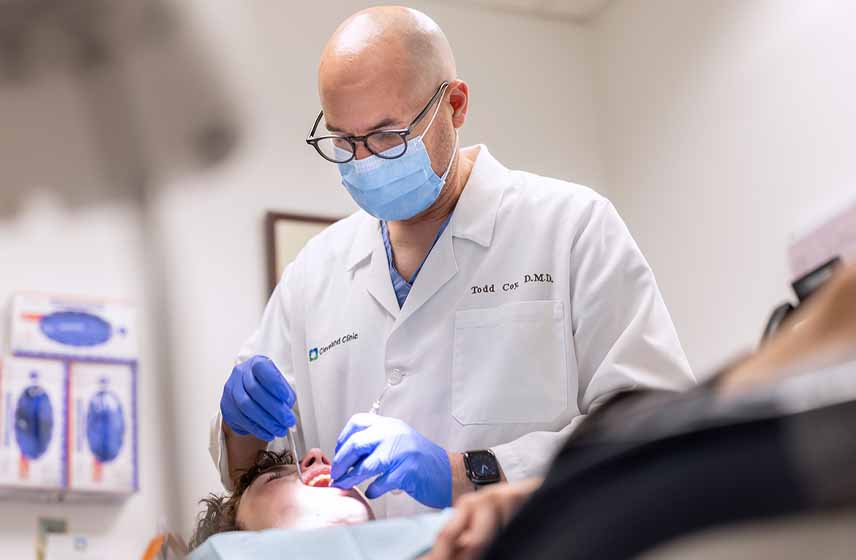
An oral cancer exam usually starts with a visual check. Your dentist looks at your lips, cheeks, gums, tongue, the floor of your mouth, the roof of your mouth, and the back of your throat. They are checking for spots, sores, or tissue changes that do not look normal. According to the National Institute of Dental and Craniofacial Research’s overview of the oral cancer exam, this kind of exam is a standard way to look for signs that may need follow up.
So, what are the seven things dentists often focus on?
1. Red or white patches. Small red, white, or mixed red and white areas can sometimes be harmless, but they can also be early warning signs. Your dentist checks whether these patches look flat, raised, rough, or persistent.
2. Sores that do not heal. Many mouth sores clear up within a week or two. A sore that lingers, bleeds easily, or keeps returning deserves attention.
3. Lumps or thickened tissue. Your dentist may use gloved hands to feel along your cheeks, jaw, and neck for any unusual masses or areas that feel firmer than they should.
4. Changes on the tongue. The sides and underside of the tongue are areas dentists watch closely. They check for ulcers, discoloration, swelling, or restricted movement.
5. Changes in the floor or roof of the mouth. These tissues can show subtle changes that are hard for you to see in a mirror. Even a small area that looks different from the surrounding tissue can matter.
6. Trouble spots in the throat. If you have had ongoing soreness, hoarseness, or trouble swallowing, your dentist may pay extra attention to the back of the mouth and throat area.
7. Swollen lymph nodes or neck changes. Oral cancer screening is not limited to the inside of the mouth. Dentists often feel the neck and jawline because swelling there can be a clue that something needs more testing.
Why can these signs be easy to ignore at home?
That is where a lot of people get stuck. A mild sore can seem like nothing. A rough patch may feel like irritation from biting your cheek. A little hoarseness can get blamed on allergies or a cold. Most of the time, those explanations are true. Still, when a change lasts more than two weeks, it is worth getting checked.
The challenge is that early oral cancer may not cause pain. You may feel fine and still have a spot your dentist wants to monitor. The NIDCR oral cancer resource explains that symptoms can include mouth sores, lumps, white or red patches, and difficulty chewing or swallowing. Knowing that can help you pay attention without falling into panic.
What if you smoke, use tobacco, drink heavily, or have had a lot of sun exposure on your lips? In those cases, regular screening matters even more. Age, HPV infection, and a personal history of cancer can also raise concern. That does not mean something is wrong. It means your dentist is being careful, which is exactly what you want.
How does an oral cancer screening compare to checking symptoms on your own?
It is natural to look in the mirror first, especially if you notice a sore spot. But there is a difference between a home look and a professional exam. A dentist knows the normal range of tissue color, texture, and symmetry, and can spot changes that do not stand out to most people.
| What is being checked | At home | During a professional screening |
|---|---|---|
| Visible sores or patches | You may notice obvious spots | Dentist checks size, texture, color, and healing pattern |
| Hidden areas | Hard to see under the tongue or far back in the mouth | Dentist examines those areas directly |
| Lumps or swelling | Easy to miss subtle changes | Dentist feels the mouth, jaw, and neck for abnormal tissue |
| Risk assessment | Usually based on guesswork | Dentist considers symptoms, habits, and health history |
| Next steps | Unclear when to worry | Dentist can monitor, refer, or recommend biopsy if needed |
If you want more detail on how screening and follow up may work, the National Cancer Institute’s oral screening information gives a helpful summary. It also explains an important point. Screening can find suspicious changes, but only further testing can confirm whether a spot is cancer.
What can you do right now if you are worried about mouth cancer screening?
1. Pay attention to the two week rule. If you have a sore, patch, lump, or throat symptom that has not improved after two weeks, schedule a dental visit. Do not wait for pain to tell you something is serious.
2. Know your risk factors. Tobacco use, alcohol use, HPV, and a history of heavy sun exposure on the lips can all matter. Share that history with your dentist. It gives context to what they are seeing.
3. Keep regular visits with your general dentist. A routine exam is often when subtle changes are found. Even if your teeth feel fine, your soft tissues still need attention. That is one reason oral cancer screening is such an important part of preventive care.
When should you feel reassured, and when should you follow up?
Most unusual spots in the mouth are not cancer. They may come from irritation, infection, canker sores, or friction from a tooth or dental appliance. That is the reassuring part. The important part is not to self diagnose and move on too quickly. If your dentist says an area should be watched or referred, follow through. Early action can make a real difference.
If you have been putting off a visit because you are afraid of what might be found, that fear makes sense. Still, knowing is almost always easier than wondering. A screening is brief, and it gives you clarity. If something looks normal, you get peace of mind. If something needs attention, you can take the next step sooner rather than later.
Staying current with dental checkups is one of the simplest ways to protect your health. If you have noticed a sore, patch, lump, or change in your mouth, book an appointment with a general dentist and ask for a screening.