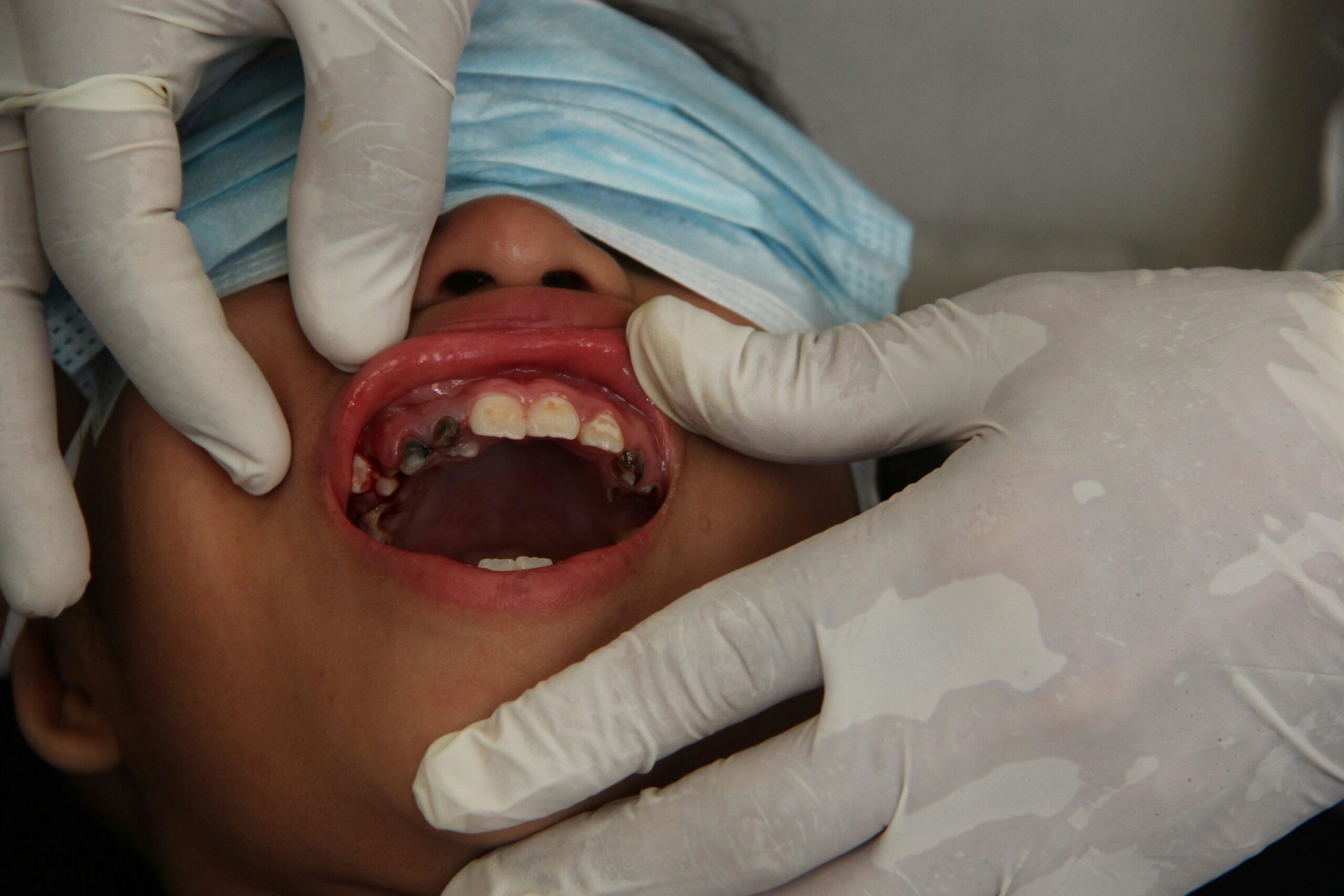
Your child’s smile can change fast. Small problems can grow into deep tooth pain. You want to stop that early. Dental sealants give teeth a strong shield against decay. Yet many parents are not sure when kids need them. You may see tiny signs at home long before a cavity starts. You may notice stains that do not brush off. You may hear your child complain during meals. You may feel worried after a rushed checkup. Each sign carries weight. Early action can spare your child fear and costly treatment. If you wait, you may end up searching for an emergency dentist in Sugar Land late at night. This blog shares three clear early indicators that your child may need sealants. You will see what to watch for, what to ask the dentist, and how to protect your child from avoidable pain.
Why sealants matter for kids’ teeth
Sealants cover the tiny grooves on the chewing surfaces of back teeth. These grooves trap food and germs. Brushing and flossing cannot always reach deep spots. Sealants block that trap. They lower the chance of cavities on those chewing surfaces.
The Centers for Disease Control and Prevention explains that children without sealants have about three times more first molar cavities than children with sealants.
Sealants work best when placed soon after the first and second permanent molars come in. Those teeth often erupt between ages 6 and 12. You can watch for early signs during those years.
Indicator 1: Stains and rough spots on back teeth
One clear sign is a change in how the back teeth look. You may notice:
- Brown, gray, or dark white lines in the grooves
- Spots that do not fade after brushing
- Rough or sticky spots when you run a clean fingernail over the chewing surface
These stains do not always mean a full cavity. They can show an early breakdown of the enamel. That stage is easier to stop. Sealants can cover and protect those weak grooves. They keep food and germs from sitting in that same place each day.
Ask the dentist to check any stain that stays for more than two weeks. Bring a photo if the mark looks different at home than under the office light. Clear photos help show change over time.
Indicator 2: Sensitivity to hot, cold, or sweet foods
Another sign is a new flinch or pause when your child eats. You may see:
- Complaints when eating ice cream or cold drinks
- Sharp pain with hot soup or tea
- Discomfort with candy, juice, or sweet cereal
Sensitivity can come from many causes. It may come from thin enamel, tiny cracks, or early decay in the grooves. Sealants do not fix deep decay. Yet they can protect teeth that are starting to weaken on the chewing surfaces.
Track when the pain shows up. Note which tooth and what food. Then share that list at the next visit. That record helps the dentist decide if sealants can help that tooth and other back teeth before they start to hurt.
Indicator 3: High cavity risk from habits or history
Sometimes the clearest sign is your child’s overall risk. You may see a pattern such as:
- Past fillings on baby teeth
- Frequent snacking, especially sticky snacks
- Nighttime drinks with sugar, even small amounts
- Challenges with brushing due to age or special needs
If your child already has one cavity, that history raises the chance of more. The American Dental Association notes that sealants can prevent up to 80 percent of cavities in the first two years after placement on molars.
You can use that history as a warning flag. Ask the dentist if sealants make sense even if the teeth look clean right now.
Sealants compared with “wait and see” care
The table below compares sealants with a choice to wait.
| Choice | What it involves | Short term impact | Long term impact
|
|---|---|---|---|
| Sealants now | Cleaning and thin coating on back teeth | Quick visit. No shots in most cases | Fewer cavities on chewing surfaces. Lower cost over time |
| Wait and see | Regular checkups without sealants | No change in visit today | Higher chance of new cavities. Possible fillings or crowns |
| Emergency care later | Treatment only when pain starts | Urgent visit. Possible shots and drilling | More stress. Higher cost. Greater tooth loss risk |
What to ask your child’s dentist
Clear questions help you act with confidence. You can ask:
- Do you see early stains or weak grooves on my child’s molars
- Has my child’s cavity risk changed since the last visit
- Which teeth are ready for sealants right now
- How long do sealants usually last for kids this age
- How will you check the sealants at each visit
Request plain language. Ask the dentist to show the grooves with a small mirror. A direct look can calm fear and build trust for your child.
How you can support sealants at home
Sealants work best with simple daily steps. You can:
- Help your child brush twice a day with fluoride toothpaste
- Limit snacks between meals
- Offer water instead of sweet drinks
- Keep regular checkups every six months or as advised
If a sealant chips, call the office. A quick repair can restore the shield. Do not wait for pain.
Act early to protect your child’s teeth
You cannot see every change inside a tooth. You can still spot early hints on the surface, in eating habits, and in your child’s dental history. Stains that do not fade, new sensitivity, and a record of cavities all point to one clear step. Ask about sealants now.
Prompt action can turn quiet warning signs into a simple visit instead of a late-night emergency. Your attention today can spare your child from sharp pain and complex work later.