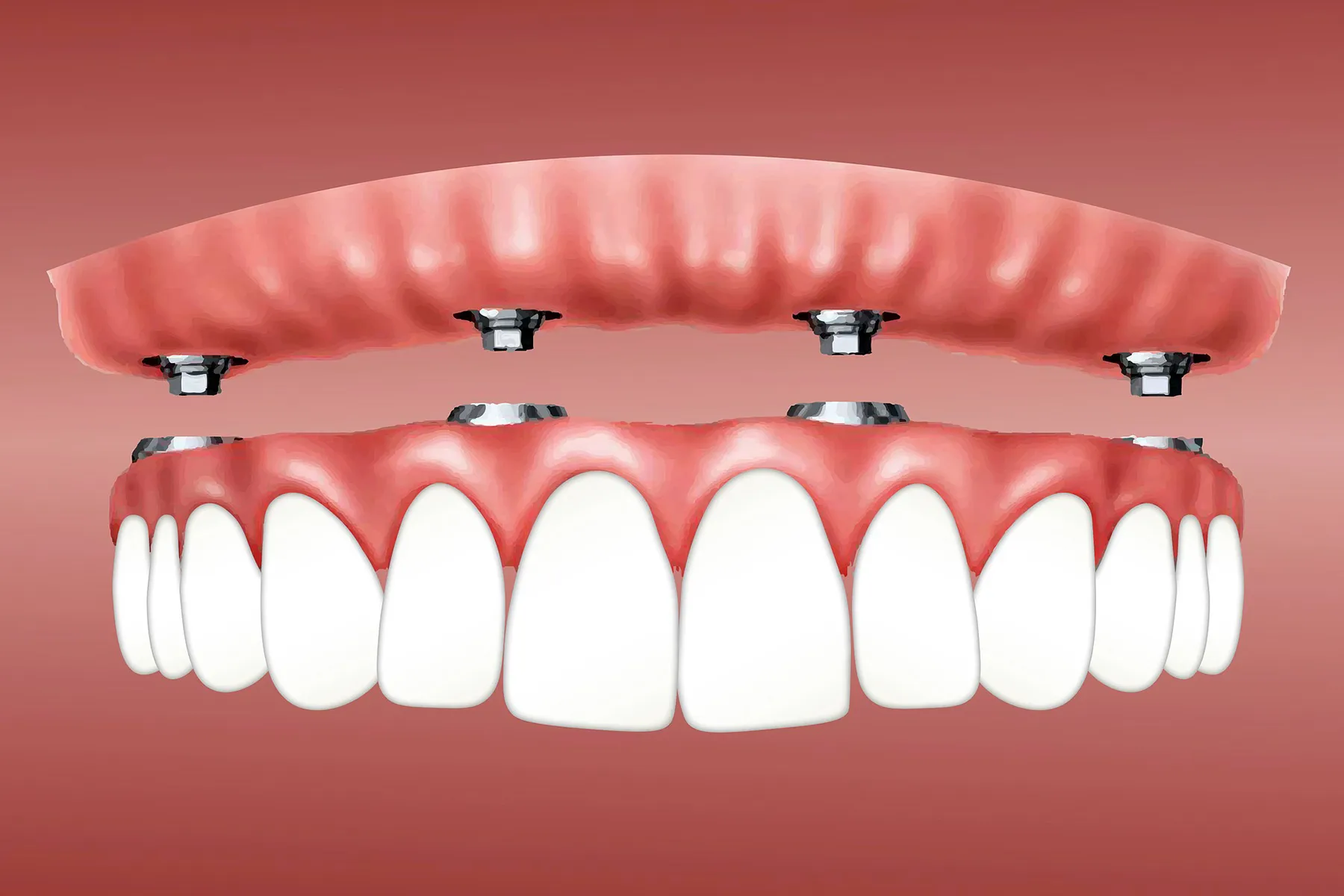
Your dentures should feel steady, clean, and almost forgettable. When they start to hurt, slip, or rub your gums raw, your body is sending a warning. Ignoring that warning can lead to mouth sores, infections, and trouble eating real food. It can also affect how you speak at work, with family, and in public. You might start to avoid smiling. You might even stop going out to eat. That quiet pull toward isolation is not normal. It is a sign you need help. With the right support, routine adjustments are quick and simple. They protect your gums, your jaw, and your confidence. If you notice changes in your bite, pain when chewing, or pressure spots, you may need dental care in Scarsdale. This guide walks through five clear signs your dentures need an adjustment so you can act early and protect your health.
1. Ongoing sore spots on your gums or cheeks
New dentures often feel strange at first. Yet steady pain or raw spots are different. That is your gums telling you that the fit is off.
Watch for:
- Red or white patches where the denture touches
- Skin that peels or bleeds after you remove the denture
- Pain that makes you chew on one side
These spots are more than a small bother. They can open the door to infection. The Centers for Disease Control and Prevention explains that mouth infections can spread and affect eating, speaking, and daily life. You can read more about oral infections at the CDC oral health conditions page.
Quick care can stop a small sore from turning into a deep wound. A dentist can smooth rough edges, change the fit, and check for signs of fungal infection such as thrush.
2. Your dentures feel loose or slip when you talk or eat
Your gums and jaw change slowly over time. Dentures do not change with them. As a result the fit that once felt snug can start to feel loose.
Notice if you:
- Use more denture adhesive than before
- Bite your cheeks or tongue when you talk
- Need to reset your dentures after yawning or laughing
Loose dentures affect more than comfort. They can change how you speak and how you chew food. That can reduce your food choices and lead to poor nutrition.
The National Institute of Dental and Craniofacial Research points out that tooth loss and poor fit can affect chewing and diet. You can review their guidance at the NIDCR tooth loss information page.
A simple adjustment or a reline can restore a secure fit. Early help lowers the chance of gum damage and bone loss.
3. Pain in your jaw, face, or head
Dentures that sit too high or too low change your bite. That extra pressure strains your jaw joints and muscles. It can lead to pain that reaches your ears, neck, or head.
Common signs include:
- A tired feeling in your jaw after meals
- A click or pop near your ears when you open wide
- Headaches that start after long talks or chewing
Some people start to clench to keep loose dentures in place. That habit can grind down the denture teeth and stress your jaw.
A dentist can check how your upper and lower teeth meet. Then they can adjust the bite so your jaw rests in a more natural position. That small change can ease daily pain and protect the joint.
4. Changes in how you speak or smile
Your mouth shape affects your speech. So do your dentures. A poor fit can change how air moves and how your tongue hits your teeth.
Warning signs include:
- New lisp or slurred words
- Spitting when you speak
- Covering your mouth when you laugh or talk
You might also see changes in your face. Your lips can look thinner. Your chin can appear closer to your nose. Those shifts can signal that your dentures no longer support your face as they should.
Adjustments can restore a more natural smile and clearer speech. That can reduce shame and help you stay active in work and social life.
5. Trouble chewing or avoiding certain foods
You should eat a wide range of foods with dentures. Tough meats, nuts, and crisp fruits may take more care. Yet you should not feel fear or dread when you sit down to eat.
Look for these signs:
- Food collects under your dentures every meal
- You cut food into tiny pieces to get through a meal
- You avoid family meals or restaurants because eating feels hard
When chewing becomes a struggle many people switch to soft, low fiber foods. Over time that choice can affect weight, blood sugar, and heart health.
A dentist can adjust pressure points and improve how the denture teeth meet. That change can restore strength and control when you chew.
Quick comparison: well fitting vs poor fitting dentures
| Feature | Well fitting dentures | Poor fitting dentures |
|---|---|---|
| Comfort | No pain. No rubbing. No sores. | Sore spots. Blisters. Raw gums. |
| Stability | Stay in place when you talk and eat. | Slip or rock. Need frequent readjustment. |
| Speech | Clear words. Natural sound. | Lisp. Slur. Extra saliva. |
| Chewing | Can chew most foods with care. | Avoid many foods. Food traps under plate. |
| Jaw and face | Jaw feels relaxed. Face looks supported. | Jaw pain. Headaches. Sunken look. |
When to call for an adjustment
Do not wait for severe pain. Call a dentist if you notice any three of these signs for more than one week:
- Sore spots that do not heal
- New slipping or clicking
- Jaw or head pain
- Speech changes
- New trouble chewing
Regular checkups help too. Many experts suggest a visit at least once a year to review fit, check for oral cancer, and clean dentures with professional tools.
Your mouth carries you through every word and every meal. When your dentures stop working for you, speak up. Early adjustment can restore comfort, protect your health, and help you feel present again with the people you love.
